
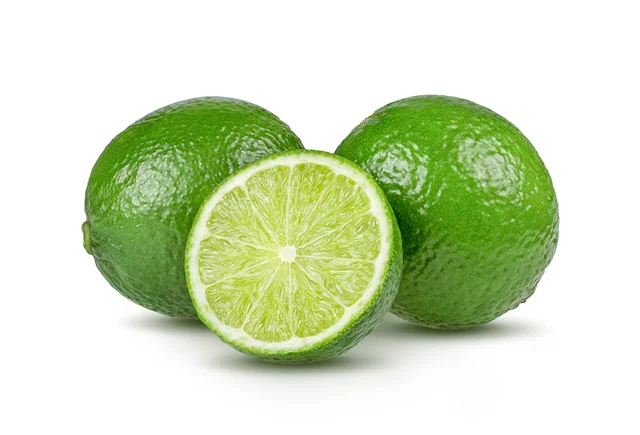
Of tropical origin the ‘Tahiti’ lime (Citrus latifolia) is not, in reality, a true lemon, but an acid lime. Cultivated since the last century in California, USA, it is admitted that its introduction into the USA happened through seeds of fruits imported from Tahiti, explaining its name.
In Brazil, the ‘Tahiti’ is one of the most important citric species commercially speaking. It is estimated that its planted area currently exceeds 50 thousand hectares. The State of São Paulo is the leading national producer, contributing with almost 70% of the total amount.
In 2020, the production reached more than 1.5 million tons and the exports added up to 120 thousand tons and a revenue of 101 million dollars. The European Union countries, United Kingdom and Russia are the main export destinations.
The productive chain of the lemon is responsible for the generation of thousands of jobs in the producing regions and for the inclusion of small and medium rural producers in the exports, contributing for the economic sustainability of this activity. It is estimated that 100 thousand rural workers are hired every year for the cultivation of the fruit which has a High Tech production, but low mechanization in the planting and harvesting operations.
The production takes place all year round due to the diversity of climate conditions in Brazil and the possibility of irrigation in the periods of water deficit. One of the most distinctive features in the Brazilian fruit compared to its main competitors is the large amount of juice extracted from the lemons, making it a premium product and versatile in consumption. A Tahiti acid lime lemonade in unforgettable in a hot summer day.
The Tahiti lime is not used in the global cuisine as much as the Sicilian lemon, but it is an equally versatile and tasty fruit. In Brazil, it is part of several recipes.
The Tahiti lime acidity can be used, for example, to “cook” the fish without heat, in a Peruvian dish known as ceviche. You can also use it for marinating chicken, fish or pork, besides enhancing the flavor in other dishes. However, its main use in other countries besides Brazil is as a supportive ingredient in drinks and cocktails.
Varieties of Lemon exported by Brazil
The Tahiti lime has the peculiarity of being green and seedless. It normally has a thin bark, with a smooth surface. The diameter of the fruit may vary from 45 to 65 mm and this variety is rich in juice, becoming a great option when making juice, in drinks and several gastronomic recipes with salads, meat, fish and desserts. The annual production calendar can be seen in the image below:
