
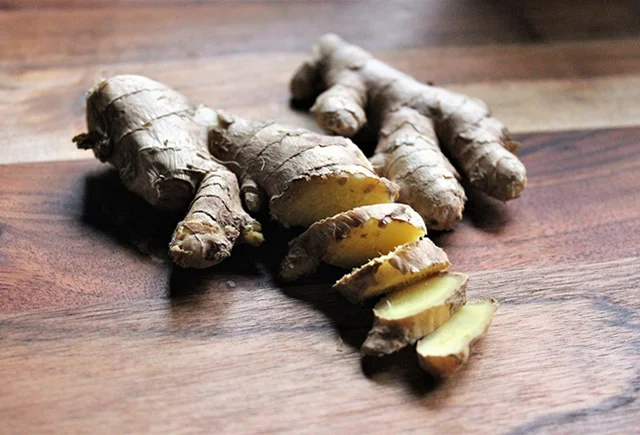
Following the growing appreciation for functional and phytotherapeutic foods, ginger has consolidated its importance in both the international gastronomic and pharmaceutical markets. Recognized for its thermogenic and medicinal properties, this rhizome is one of the horticultural products with the strongest export potential in Brazil.
Ginger, Zingiber officinale Roscoe, is a herbaceous plant native to the island of Java, Indonesia, and India. It was one of the first spices introduced to Europe via the “Spice Route,” being highly valued since antiquity. In Brazil, its introduction occurred shortly after the discovery, brought by Portuguese colonizers, adapting perfectly to the country’s tropical and subtropical climates.
Currently, China leads world ginger production, followed by India, Nepal, and Nigeria. In the Brazilian scenario, production is mainly concentrated in the Southeast region, with emphasis on the state of Espírito Santo, which is the largest national producer and exporter, followed by São Paulo and Paraná. Brazil has stood out in the global market for the visual and sanitary quality of its rhizomes, meeting demanding markets such as the United States and the European Union.
Recent data indicates that the sector has shown steady growth in planted area and harvest volume, driven by the demand for natural products and dietary supplements. The projection for the coming years is expansion, with Brazil consolidating its position as a strategic supplier of fresh ginger to the Northern Hemisphere, especially during the off-season of other major producers.